Medieval Europe Map Diagram Quizlet

Henri Pirenne, Medieval Cities : Their Origins and the Revival of Trade , trans. Frank D. Halsey. "Towns and Economic Growth: Some Theories and Problems," in Towns in So-. try in Europe, 1300-1800," in Town and Countryside in Europe, 1300-1800 , ed. S. R. Epstein (Cambridge: Cambridge University Press, 2001), 1-29..
WORLD HISTORY CITIES OF MEDIEVAL EUROPE S T R A V A G A N Z A

3 Towns and the Growth of Trade; 4 Government and Community; 5 The Development. (1987), ' Asia, Africa and the trade of medieval Europe ', in Postan, and. (1988), Genoa's Response to Byzantium, 1155-1204: Commercial Expansion and Factionalism in a Medieval City, Urbana. Dean, T. and Wickham, C. (eds.) (1990), City and Countryside.
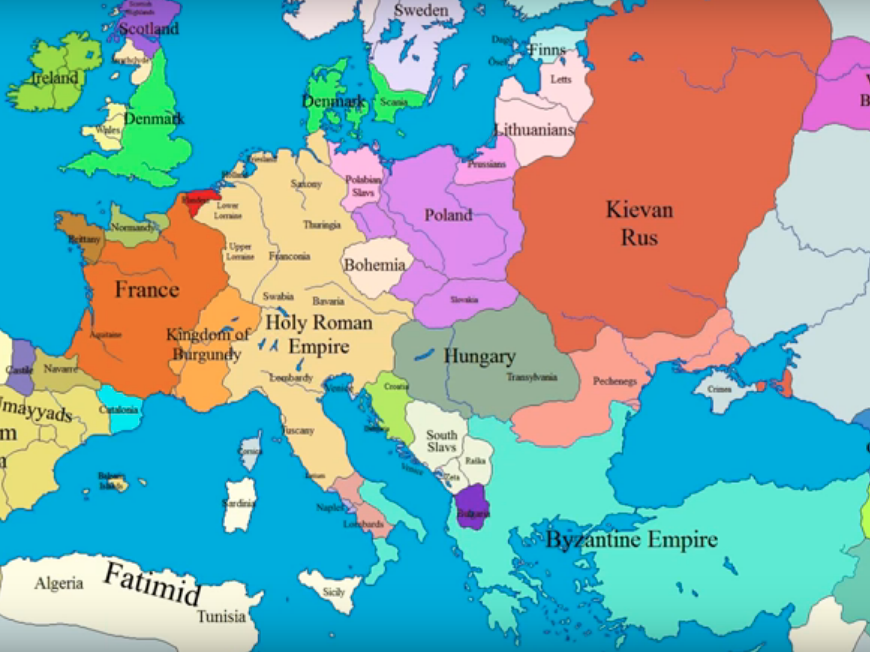
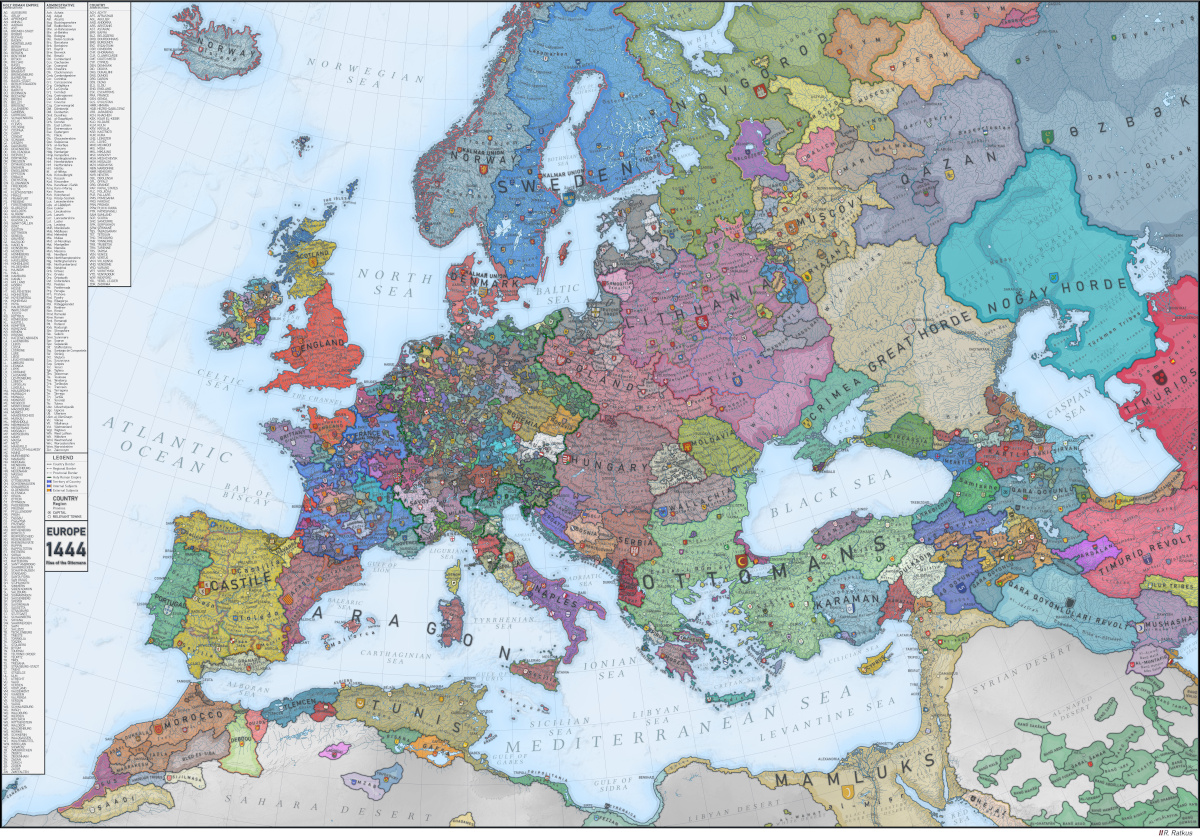
Middle Age Map Of Europe map of interstate
10. Legacy and Influence. The rise of merchant guilds and the growth of trade left a lasting impact on medieval Europe. We reflect on the legacy of this era, including the foundations of modern commercial practices, the development of economic centers, and the enduring influence of trade routes and cultural exchange in shaping the globalized.
Understanding Society Dynamics of medieval cities
Introduction. Like all pre-industrial societies, medieval Europe had a predominantly agricultural economy. The basic economic unit was the manor, managed by its lord and his officials.This was, in the early Middle Ages especially, a largely self-sufficient farming estate, with its peasant inhabitants growing their own crops, keeping their own cattle, making their own bread, cheese, beer or.
PPT Growth of Trade and Towns PowerPoint Presentation, free download ID5333268
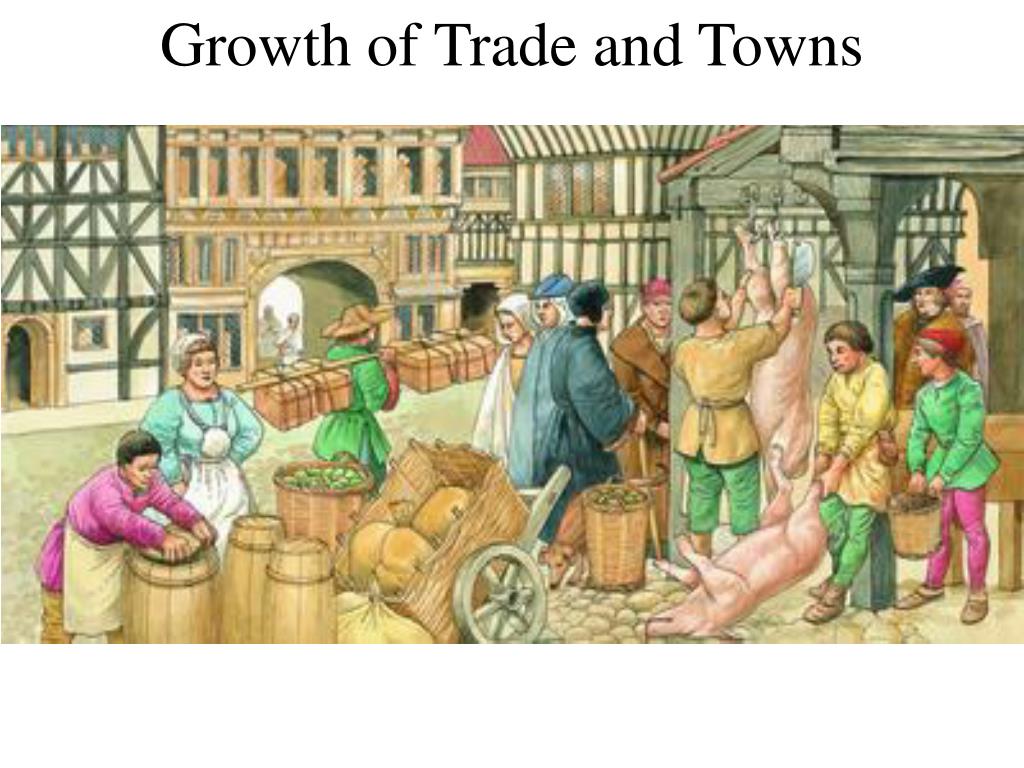
In this article we will discuss about:- 1. Growth of the Medieval Towns of Europe 2. Contribution of the Medieval Towns of Europe. Growth of the Medieval Towns of Europe: After the lapse of several centuries since the break-up of the Roman empire, the eleventh was the first to witness positive signs of economic recovery in Western Europe. We hear of enhanced commercial activities, of new com.
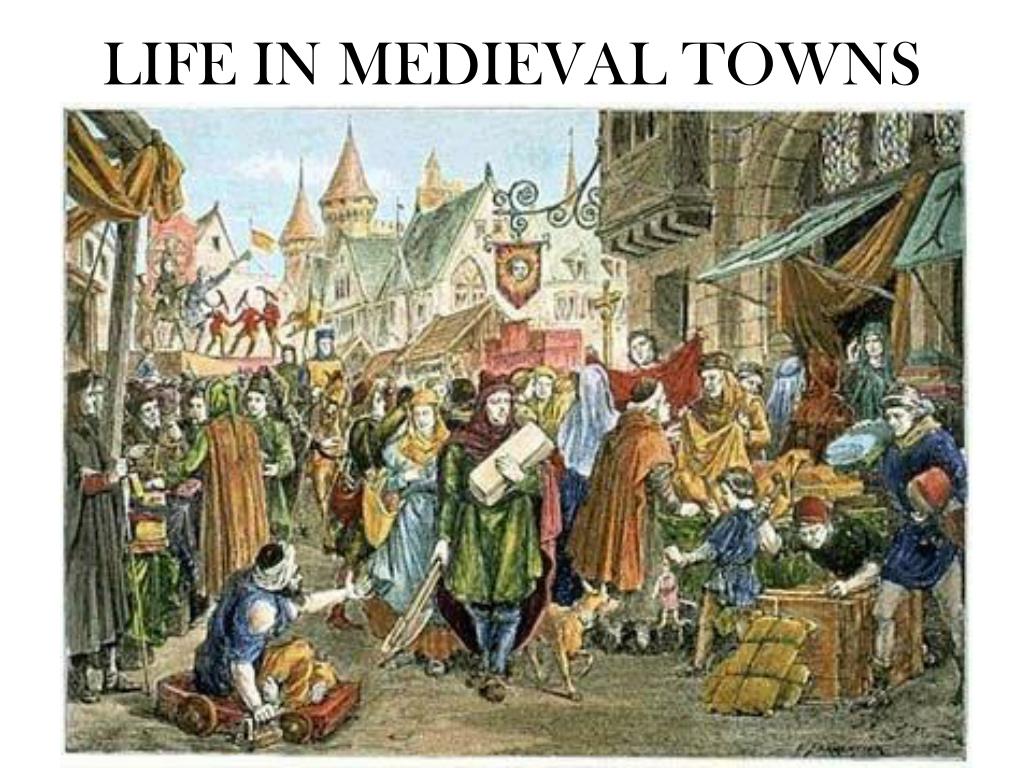
PPT LIFE IN MEDIEVAL TOWNS PowerPoint Presentation, free download ID2621024
It describes the functions of cities during the golden era of urban growth in the high Middle Ages, and discusses the late medieval crisis and changes affecting towns. Attention is given to the development of municipal communalism, which has often been seen as distinctive for the European medieval city. The final section looks at how this urban.
Explore this Fascinating Map of Medieval Europe Stephen's Lighthouse
Interrelated Themes During an "Age of Great Progress" Demographic: rise of cities and general population increase Socio-economic: Rise of the middle class, burghers and capitalism Legal: Development of rights charters and challenge to feudal system Commercial: intra-European land trade and European maritime powers Labor & production: Rise of guilds and craft specialization.
Medieval Map Of Europe

CK_4_TH_HG_P087_242.QXD 10/6/05 9:02 AM Page 118. II. Europe in the Middle Ages. England. Compiled in 1085 and 1086, the Domesday Book records the results of the survey. It provides a record of English property and life—the number of peo-ple and houses, the size of landholdings, the amount of rents, and so on.
Medieval Growth of Cities

In medieval Europe, population growth was considerable, urbanization accelerated, and the division of labor increased. However, it is not easy to explain these changes.. In Germany, for example, only the free and imperial cities were independent city-states, whereas most towns were small, possessed limited powers, and served only local needs.
Important Cities During the Middle Ages Give Me History

This Middle Ages history lesson delves into Medieval Europe's Towns, Cities and Commerce. The main topics will be covered in the Town Structure, the Marketplace, Guilds, International Trade, the Town Charter and Florentine Banking. This lesson will give students a deeper understanding of the economic, social, and political developments that.
PPT Stages of Development of Western Europe During Middle Ages PowerPoint Presentation ID
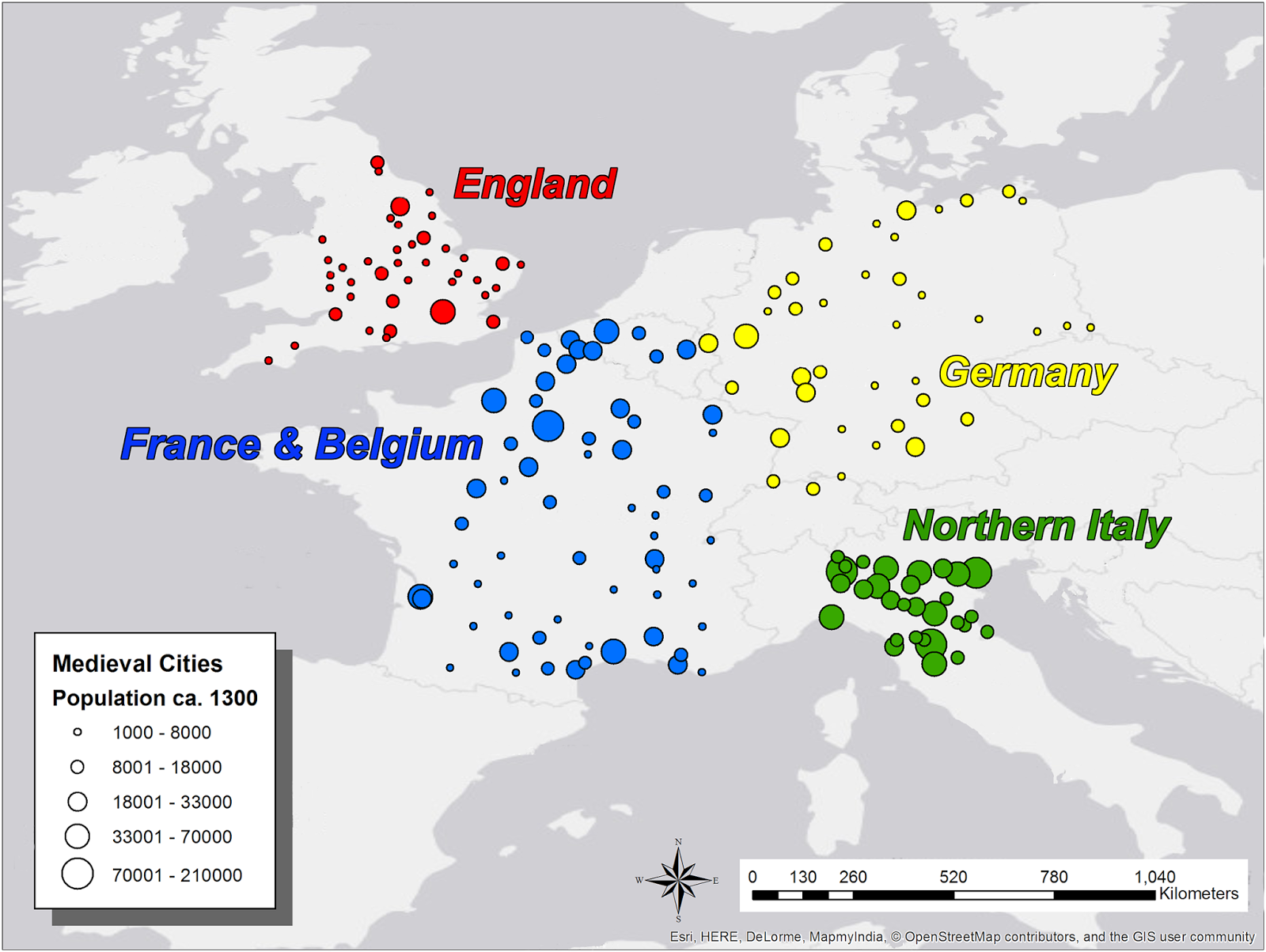
in medieval cities and discuss how their growth was limited by disamenities and constraints on mobility. We discuss how medieval cities responded to shocks such. Muslim cities did not experience the same growth as European cities. After 1000, urbanization rates did not increase over time.5 Using the data fromBosker et al.(2013) who report.
PPT LIFE IN MEDIEVAL TOWNS PowerPoint Presentation, free download ID2621024

Medieval towns stand as lasting testaments to the growth and transformation of European society during the Middle Ages.. 1000-1950" by Piero Bevilacqua This book offers a comprehensive examination of the development of European towns from the medieval period to the. Malta Known as the "Silent City," Mdina is a fortified medieval.
Town and Cities Journey to Medieval Europe

Medieval European urbanization presents a line of continuity between earlier cities and modern European urban systems. Yet, many of the spatial, political and economic features of medieval European cities were particular to the Middle Ages, and subsequently changed over the Early Modern Period and Industrial Revolution. There is a long tradition of demographic studies estimating the population.
PPT LIFE IN MEDIEVAL TOWNS PowerPoint Presentation ID2621024

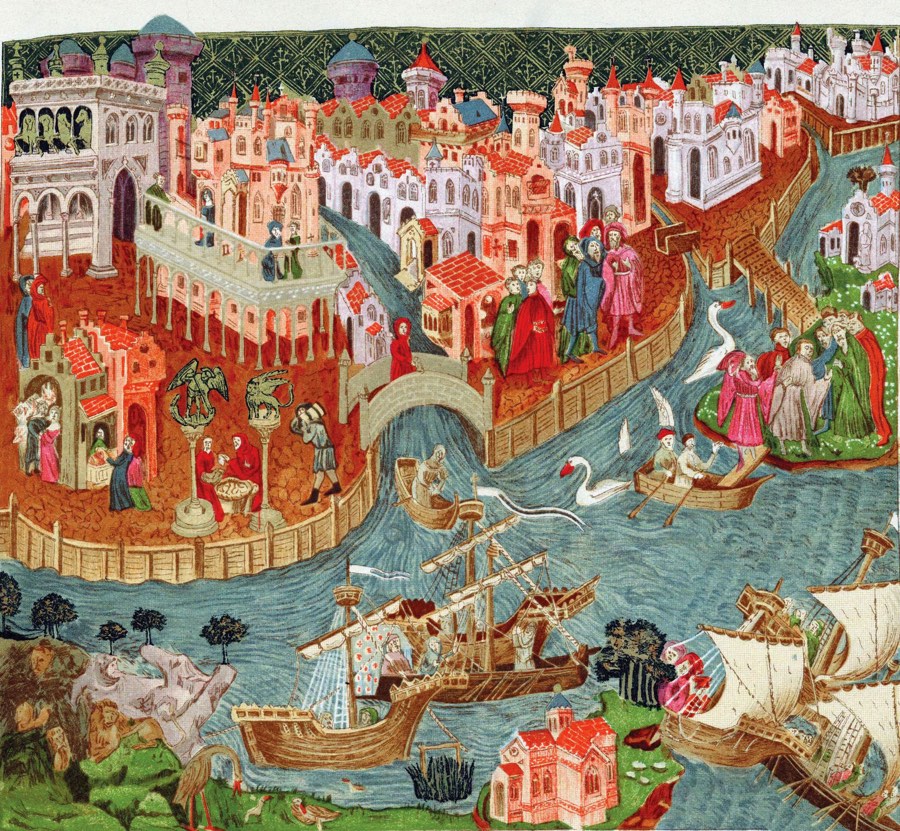
But by the 12th century, towns were growing up around castles and monasteries and along trade routes. These bustling towns became centers of trade and industry. Almost all medieval towns were protected by thick stone walls. Visitors entered through gates. Inside, homes and businesses lined unpaved streets.
PPT Chapter 10 Europe in the middle ages PowerPoint Presentation, free download ID3275591

For modern Europe, cities and towns are the longest-lasting legacy of the Middle Ages, on both the level of individual sites and the entire urban landscape: the backbone of the network of cities where the majority of Europe's population lives was created in the Middle Ages. This is even an element of European identity on a global scale: Europe is the continent where the definitive period of.
Medieval Europe by Chris Wickham
Mid-medieval growth (1100-1290) The 12th and 13th centuries were a period of huge economic growth in England. The population of England rose from around one and a half million in 1086 to around four or five million in 1300, stimulating increased agricultural outputs and the export of raw materials to Europe.
.